The Girl Who Invents Artificial Animals
A heartwarming tale about curiosity, creativity, and kindness.
Ages 7-10
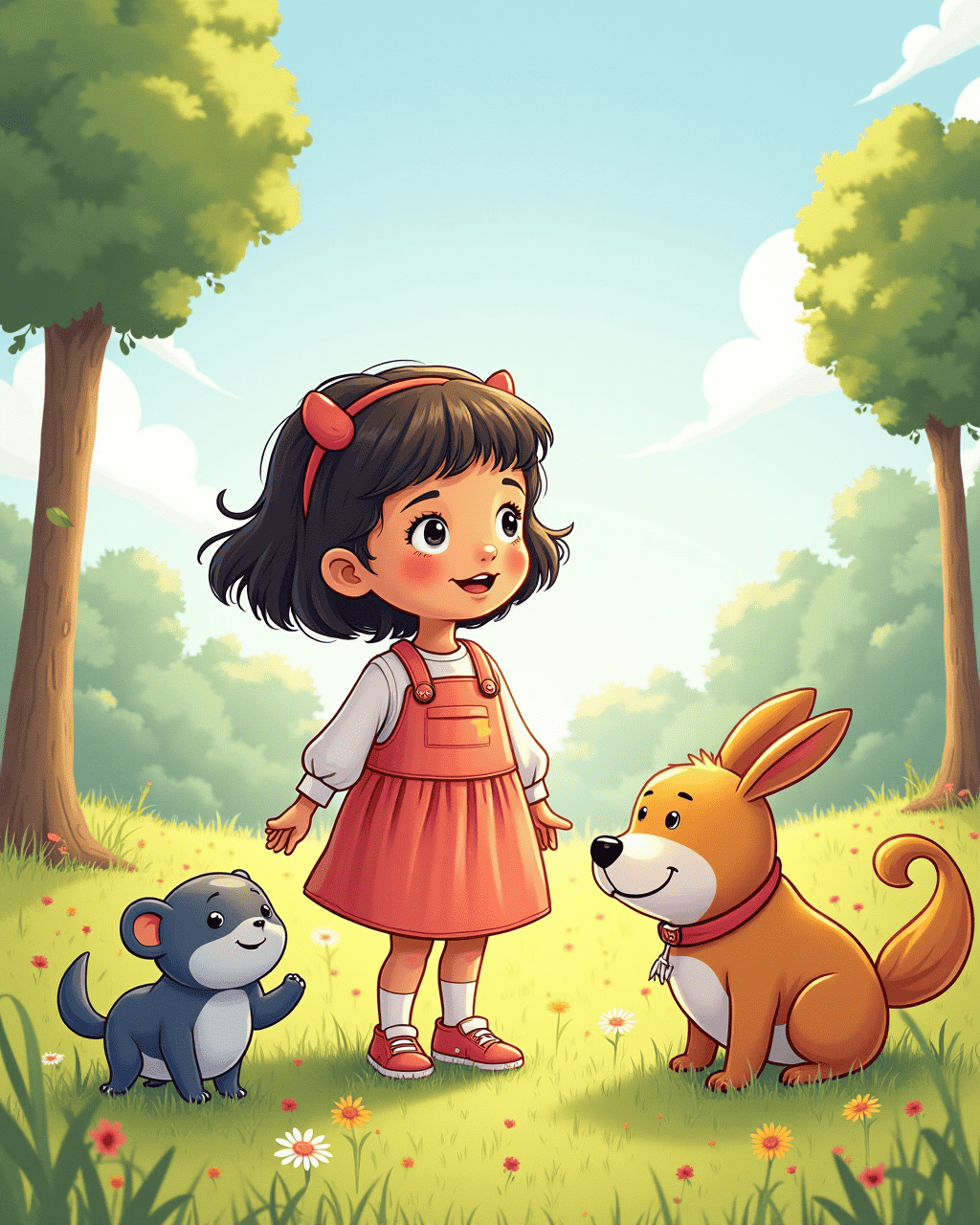
A heartwarming tale about curiosity, creativity, and kindness.
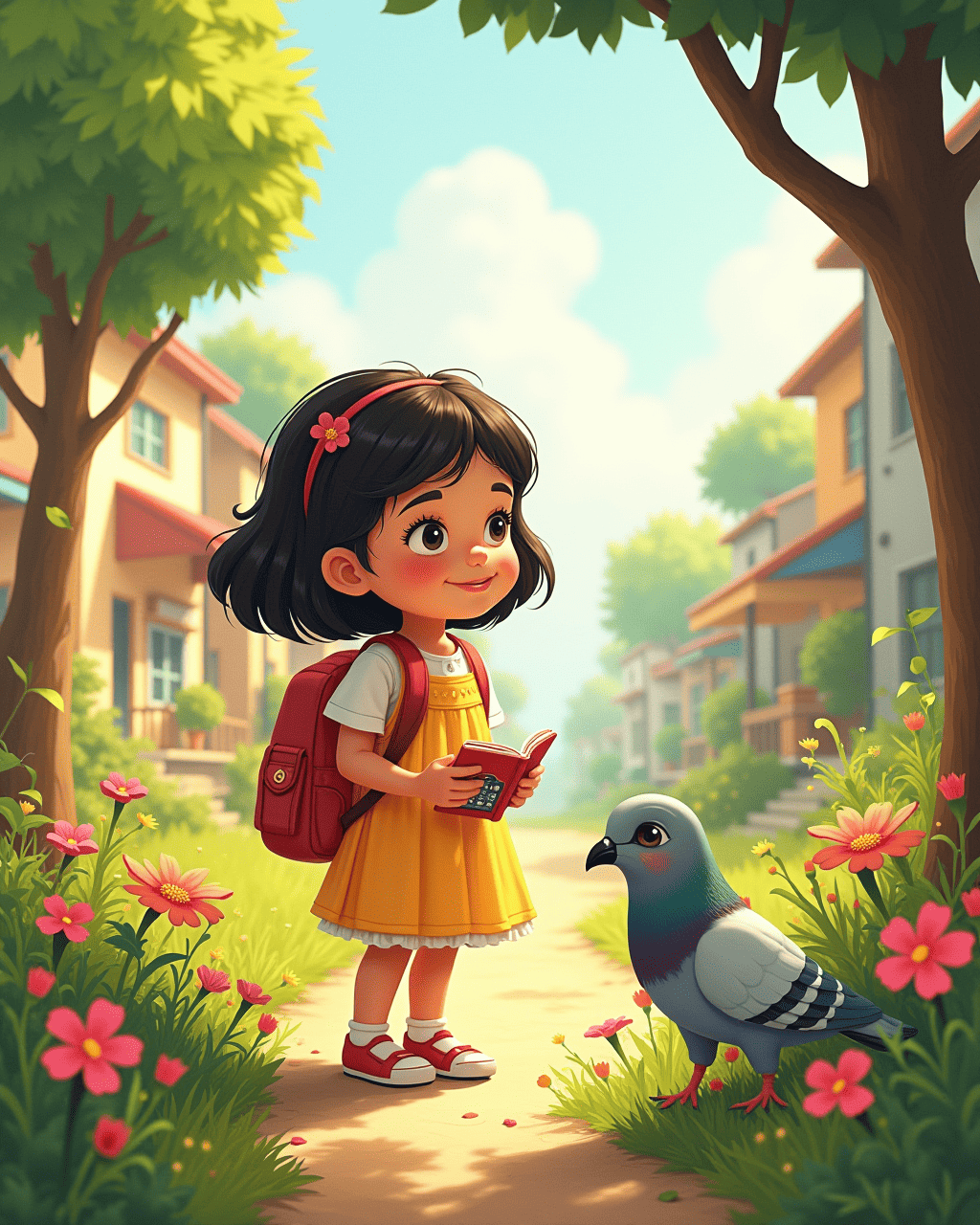
Lily lived in a quiet town where the streets were lined with colorful houses and bustling markets. She loved solving puzzles and watching her neighbors interact with animals. Every day, she would watch her grandmother feed the pigeons and listen to the stories about the old pets. One rainy afternoon, Lily found an old box of mechanical parts hidden in the attic. The box sparkled like a treasure chest filled with tiny gears, springs, and wires. Lily felt a rush of excitement and wondered what she could build.
That night, Lily dreamed of animals that could talk and help people. She imagined a small robot dog that could fetch paper, a hummingbird that could paint rainbows across the sky, and a friendly cat that could clean up trash. The next morning, she drew sketches on a piece of paper. Her sketches had bright colors, playful shapes, and clever mechanisms. Lily called her idea “Artificial Animals.” She decided to share it with her best friend, Ben.
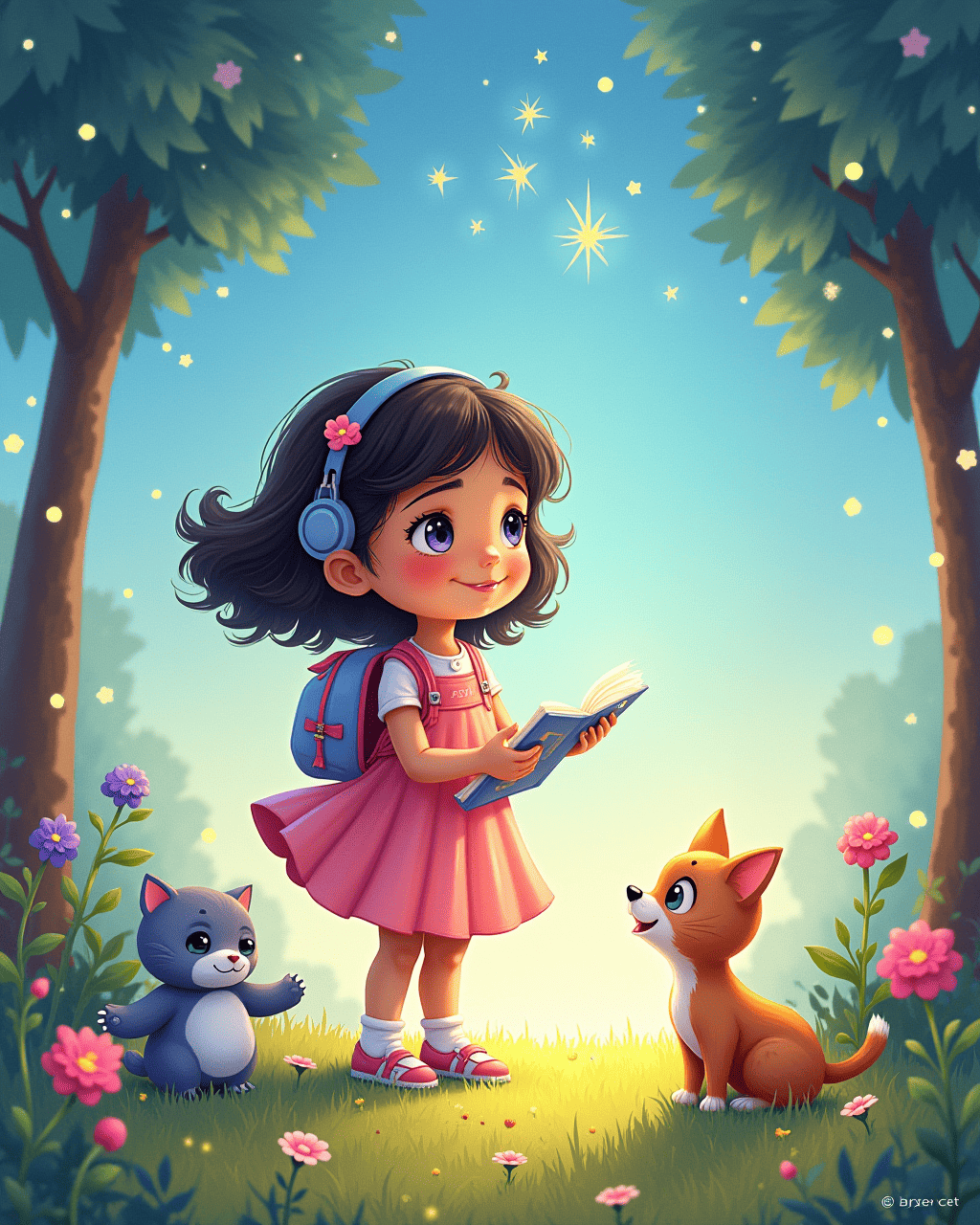
Ben loved science projects and immediately offered to help. They spent days gathering parts: copper wire, rubber bands, a small motor, and a bright battery. They experimented with different shapes, connecting gears and wheels. Many times the creations fell apart like pancakes on a Sunday. Yet, Lily never gave up because she believed these creations could make people smile. Finally, they made a small, plush-like robot cat that purred when pressed.
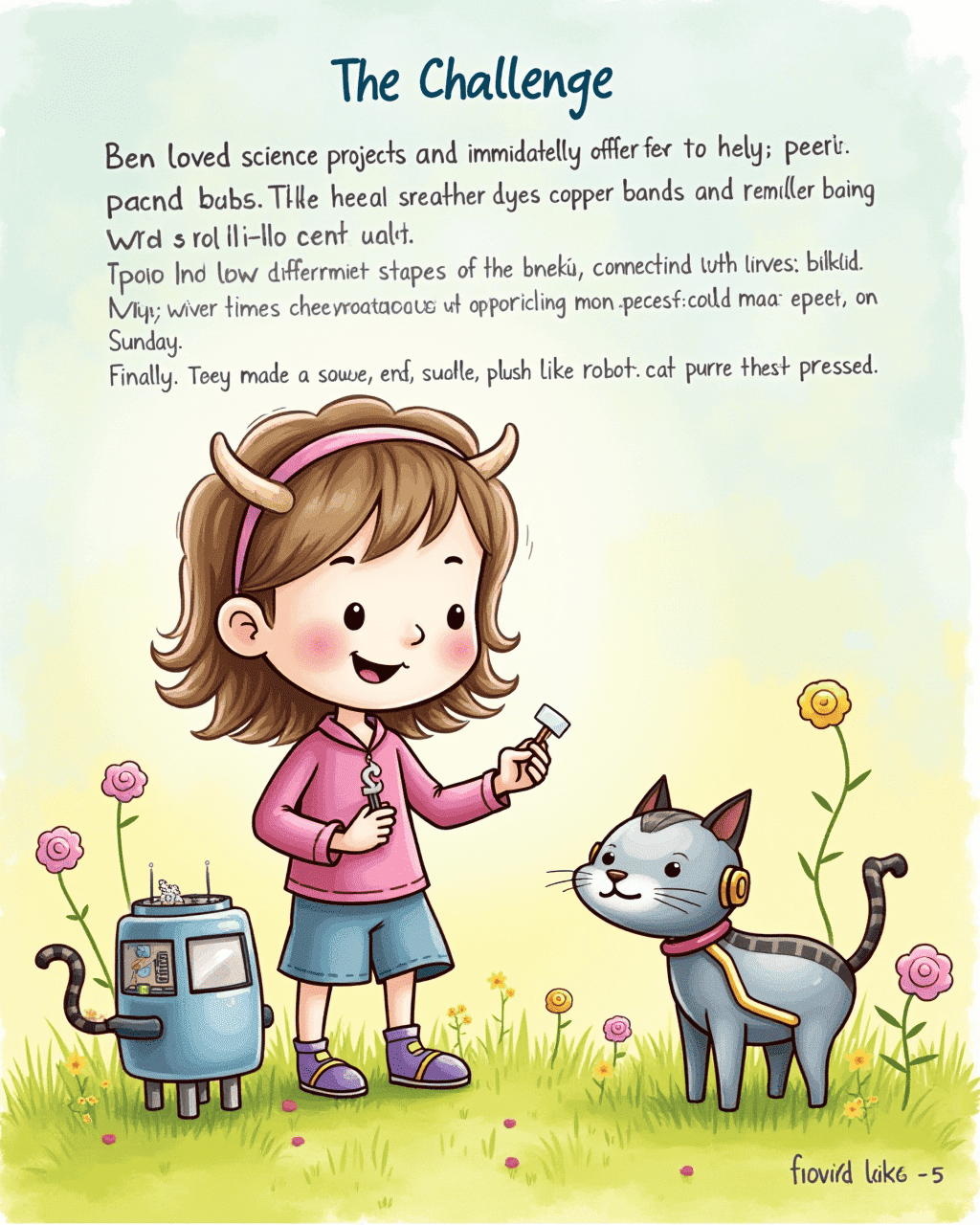
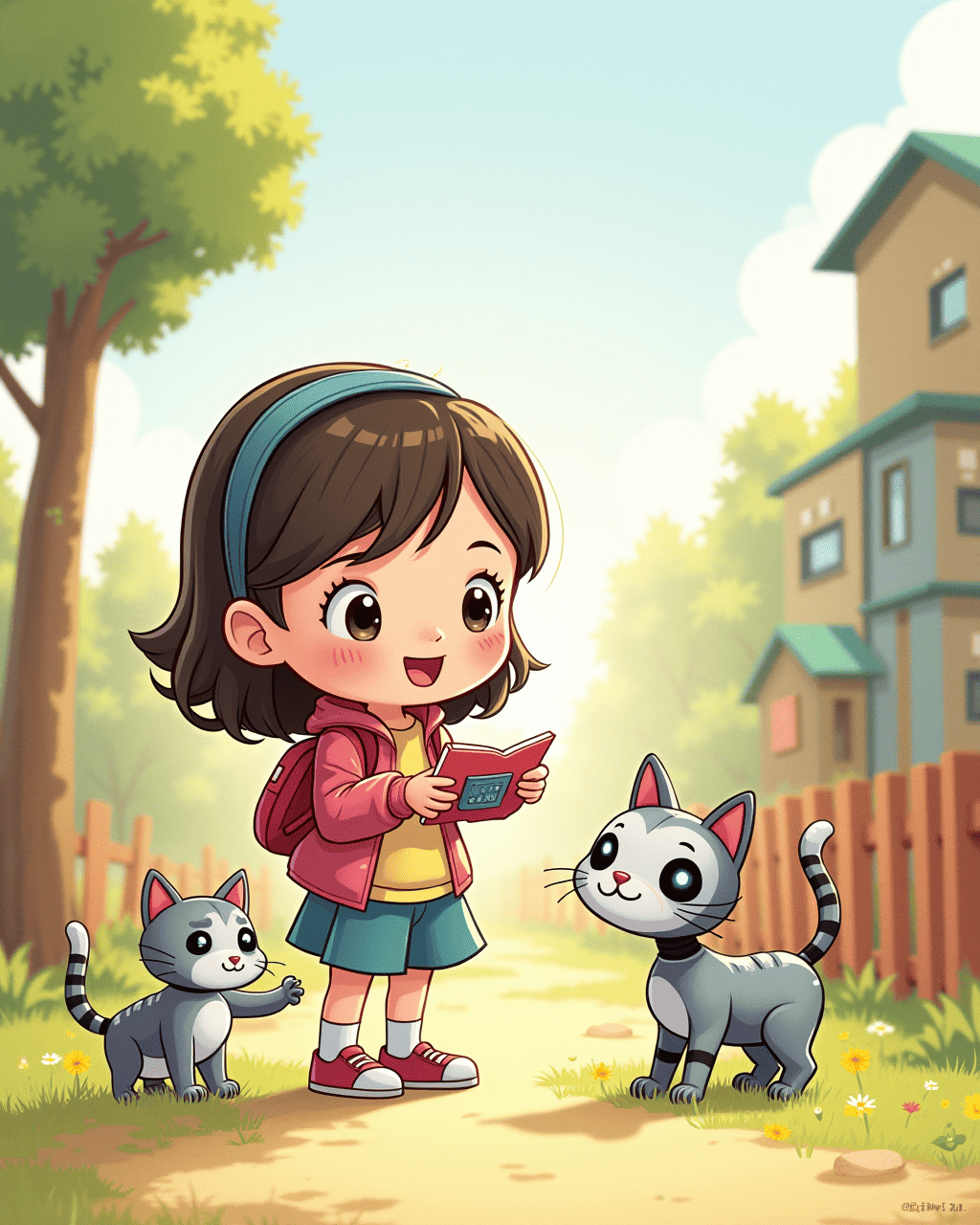
They brought the robot cat to Lily’s school art classroom and demonstrated it to the classmates. Everyone was amazed, especially the teacher who loved animals. The robot cat danced gently, blinked tiny LED eyes, and purred softly, making all the students feel cozy. The school declared the robot a “Friendly Creature” and arranged for Lily to present it during the next school assembly. Lily felt proud and nervous at the same time.
Word spread across town, and soon many families wanted to see the marvelous inventions. Lily and Ben offered to teach kids how to build simple creatures in a workshop. They used plastic bottles, foil strips, and recycled boxes. Children giggled when they made “plastic ducks” that floated and “tin windmills” that spun. The community felt closer when laughter and curiosity connected everyone, and Lily’s inventions inspired kindness and cooperation.
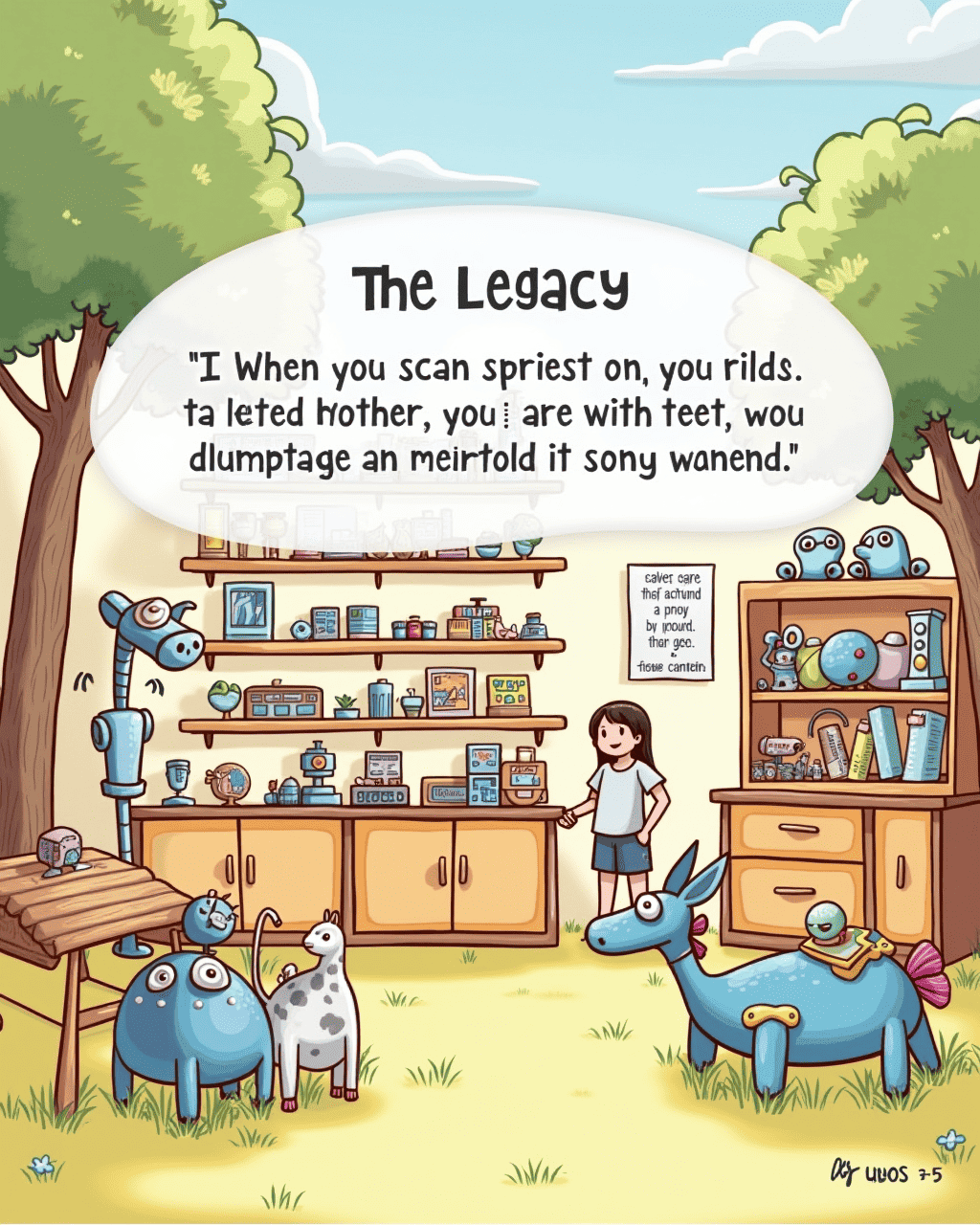
Years later, Lily’s school named a small science lab “Lily’s Legacy Lab.” The lab featured shelves with toy animals, models of her original prototypes, and a poster that encouraged imagination. Lily grew up, pursued a career in robotics, and returned to teach students. She always remembered that a spark of imagination and perseverance could create wonders and bring joy to those around her.