The Wind That Tells Bad Jokes
讲坏笑话的风
Digest: A light‑hearted tale that shows how a mischievous breeze can bring giggles to a small village.
摘要:一段轻松小故事,展示一阵调皮的微风如何给小村庄带来欢笑。
3-5
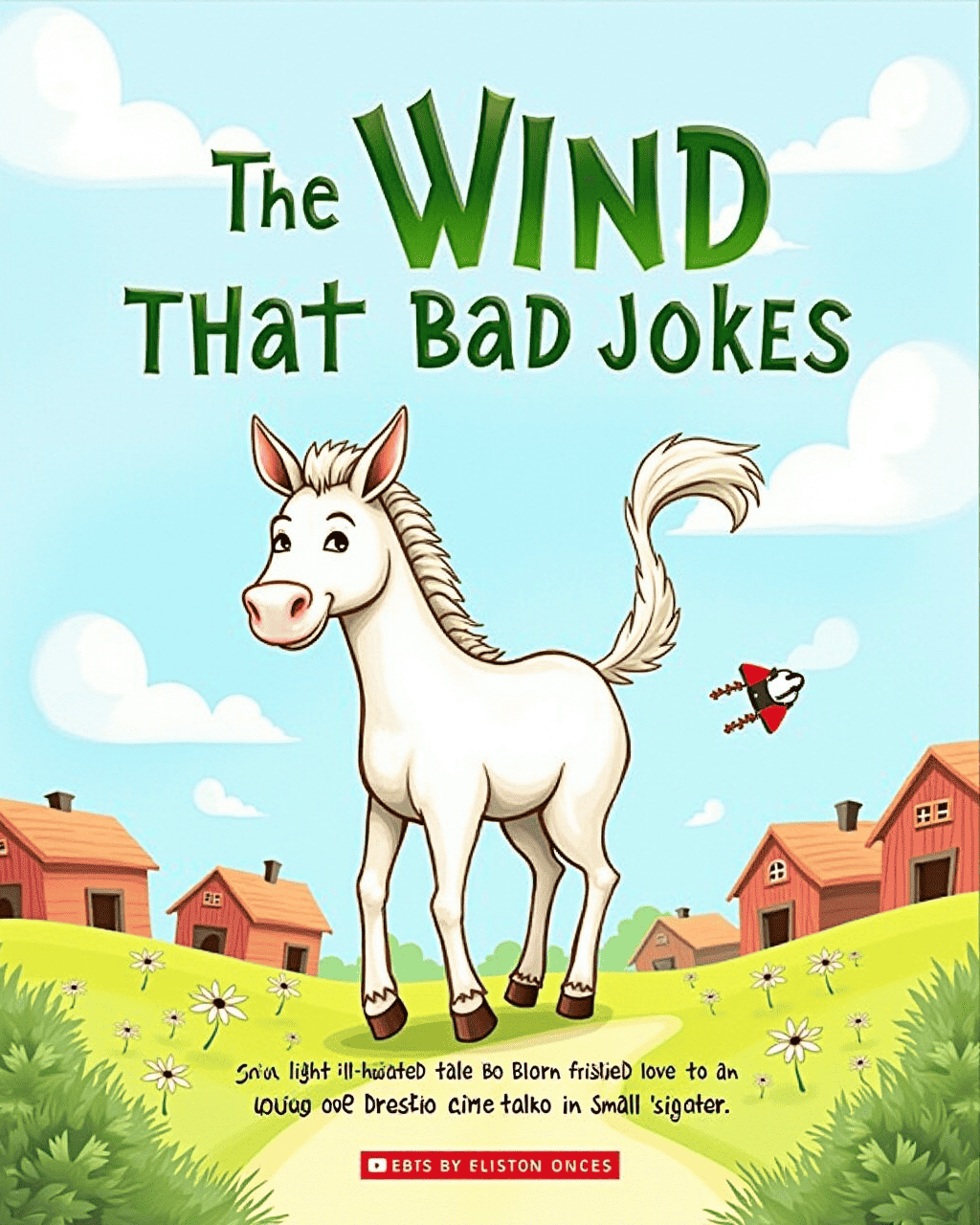
Digest: A light‑hearted tale that shows how a mischievous breeze can bring giggles to a small village.
摘要:一段轻松小故事,展示一阵调皮的微风如何给小村庄带来欢笑。
In the village of Willowbrook, the children always felt a gentle, curious breeze blowing through the square.
在Willowbrook村庄里,孩子们总会感受到轻柔、好奇的微风在广场吹拂。
The breeze would call, “Hello!”
微风会低声呼喊“嗨!”
in a whisper, and its sound was like a faint chuckle that no one could hear.
,声音像细微的咯咯笑声没人能听见。
The wind carried the scent of daisies and sometimes the sound of tiny footsteps.
微风带来了雏菊的香气,偶尔还传来细脚步声。
Mrs.
面包师普拉特女士说微风很友好,却发誓它也很搞笑。
Patel, the baker, said the wind was very friendly, but swore that it was also very funny.
微风喜欢跟翻飞的纸张玩游戏。
The wind loved to play games with the fluttering papers.
During the school assembly the wind swooped down.
校集会时,微风扑通一声吹下来。
It twirled the banner and whispered, “Why did the tomato turn red?
它转动横幅,低声说:“番茄为什么会变红?
Because it saw the salad dressing!”
因为它看见沙拉酱!”
The children giggled, though the joke was so silly it made them double‑check the sentence.
孩子们咯咯笑,虽然笑话太笨拙,甚至让他们重新检查语句。
Mr.
老师黄先生笑着说:“好天气配好笑话!”
Huang, the teacher, laughed and said, “A fine joke for a fine day!”
微风轻轻叹息,仿佛尴尬它的笑话太糟。
The wind blew a gentle sigh, as if embarrassed it had been so bad.
大家鼓掌,觉得这有可能成为村庄最爱的梗。
Everyone clapped, thinking it might become the village’s favorite punchline.
At lunch the wind started scattering the lunch boxes.
午餐时,微风开始把午餐盒子吹散。
It rattled the spoons, saying, “What do you call a fake book?
它摇晃勺子,喊道:“假书叫什么?
A novel!”
小说!”
The kids tried to find the wind to make it stop, but it slipped through the window panes.
孩子们试图捕捉微风让它停下来,却被它滑过窗户。
The wind then started whispering, “I’m just a breeze, not a punchline!”
微风随后低声说:“我只是风,不是笑料!”
But the children didn’t mind, they were too busy laughing.
但孩子们不在意,因为他们正忙着笑。
One sunny afternoon the kids followed the wind to the old orchard.
一个阳光明媚的下午,孩子们跟随微风来到旧果园。
They discovered a hidden garden where the wind grew vegetables.
他们发现一个隐藏的花园,微风在里面种菜。
The wind talked to the beans, “What do you call a bean that can dance?
微风对豆子说:“会跳舞的豆子叫什么?
A bean‑tainer!”
豆‑器!”
The children planted beans, and each time they laughed, the beans grew taller, as if they were dancing too.
孩子们种下豆子,每当他们笑,豆子就越长,像在一起跳舞。
The village organized a festival to celebrate laughter, and the wind decided to host.
村庄组织了一个庆祝欢笑的节日,微风决定主持。
Children lined up to sit on a big leaf, hoping the wind would tell more jokes.
孩子们排成一排,坐在大叶子上,盼着微风再讲笑话。
The wind lifted each leaf, then whispered, “Why did the bee stay in the hive?
微风托起每片叶子,然后低声说:“蜜蜂为什么留在蜂巢?
He heard buzzing about a honey‑bee!”
因为它听说有蜜蜂的嗡嗡声!”
The wind’s jokes made everyone laugh, and they thanked the wind for bringing joy.
微风的笑话让大家捧腹,他们感谢微风带来欢乐。
The festival ended with a sunrise, and the wind whispered, “Let’s keep laughing forever.”
节日以日出结束,微风低语:“让我们永远保持笑声。”
As the sun set, the wind tickled the moon.
太阳落下,微风轻抚月亮。
It sang a lullaby: “Shh, the stars are listening, the night is quiet.”
它合唱一首摇篮曲:“嘘,星星在听,夜晚很安静。”
The children fell asleep, remembering the jokes they had heard.
孩子们入睡,记住他们听到的笑话。
The wind promised to return again tomorrow with more jokes.
微风承诺第二天再回来讲更多笑话。
The children dreamed of windy giggles and sweet sweet.
孩子们梦见风中嘻笑,甜甜蜜蜜。