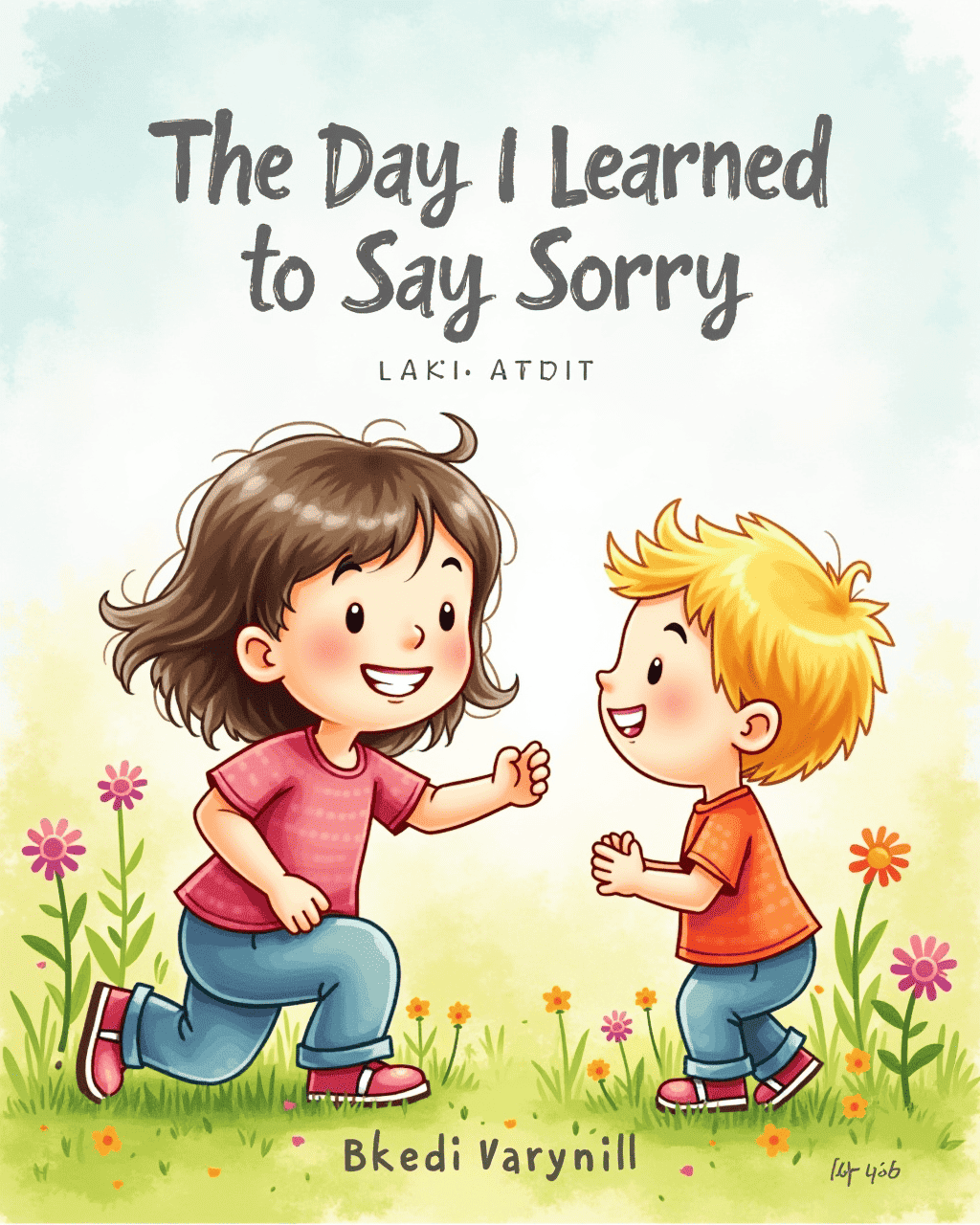
The Day I Learned to Say Sorry
Sometimes being brave means saying “I’m sorry.”
age6-9
Sometimes being brave means saying “I’m sorry.”
Tom and Max had been best friends since kindergarten. They built forts, shared snacks, and told each other every secret. But one afternoon, during a soccer game, they both wanted to be the team captain. Words flew, tempers rose, and soon Tom shouted something he didn’t mean. Max stomped away, leaving Tom standing alone on the field, his chest heavy like a stone.
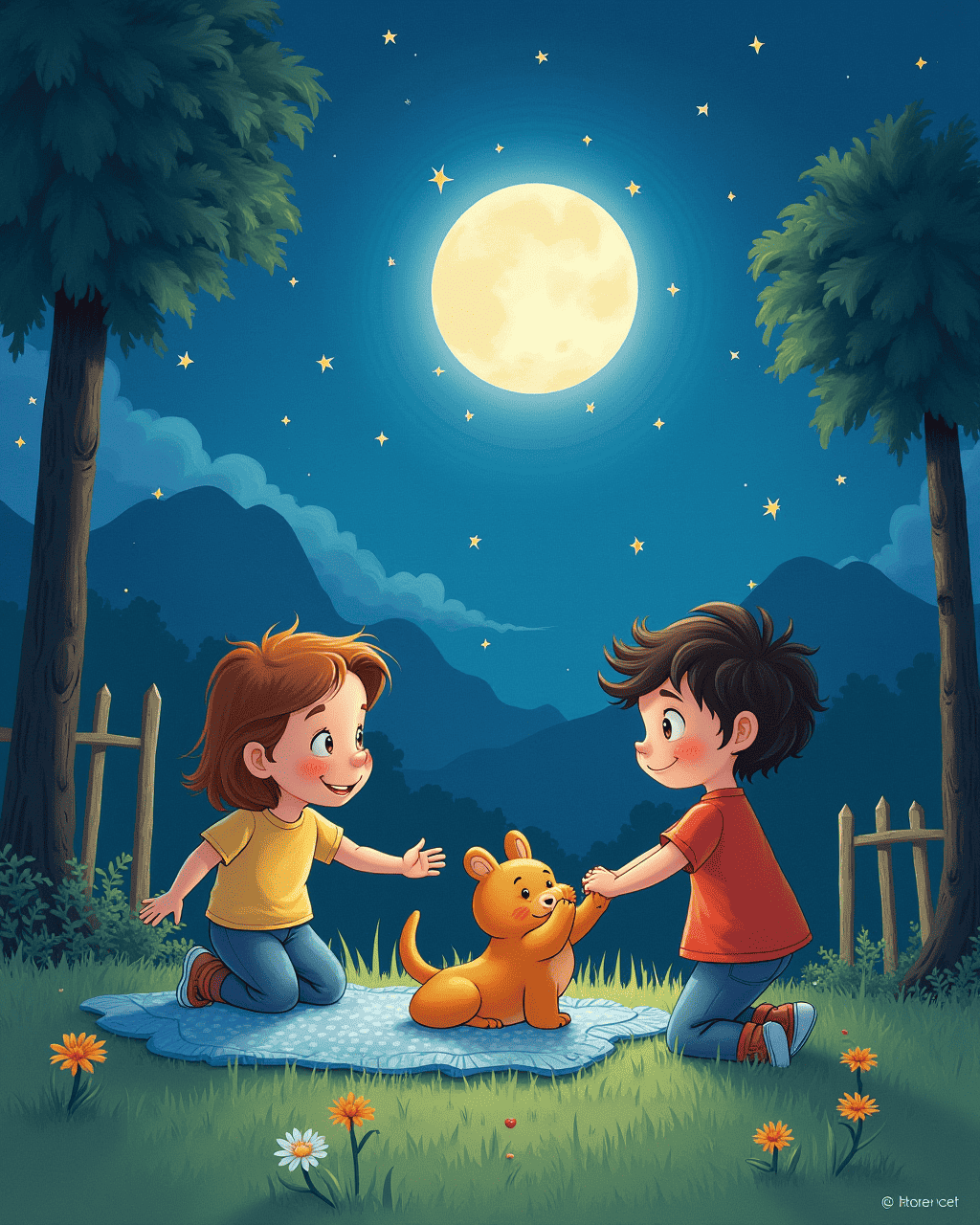
That night, Tom tried to play with his toys, but they didn’t feel fun without Max. He looked at the empty chair beside him at dinner and felt a strange ache inside. Even the stars outside his window seemed to hide from him. He whispered, “I didn’t mean it,” but only the wind replied. Tom realized that being right didn’t feel as good as having a friend.
The next day, their teacher read a story about kindness. It was about a lion who said sorry to a mouse. Tom’s heart thumped—he knew what he had to do. During art class, he drew a picture of the two of them smiling and wrote, “I’m sorry” in big blue letters. He felt nervous, but his hand didn’t shake. He was ready to make things right.
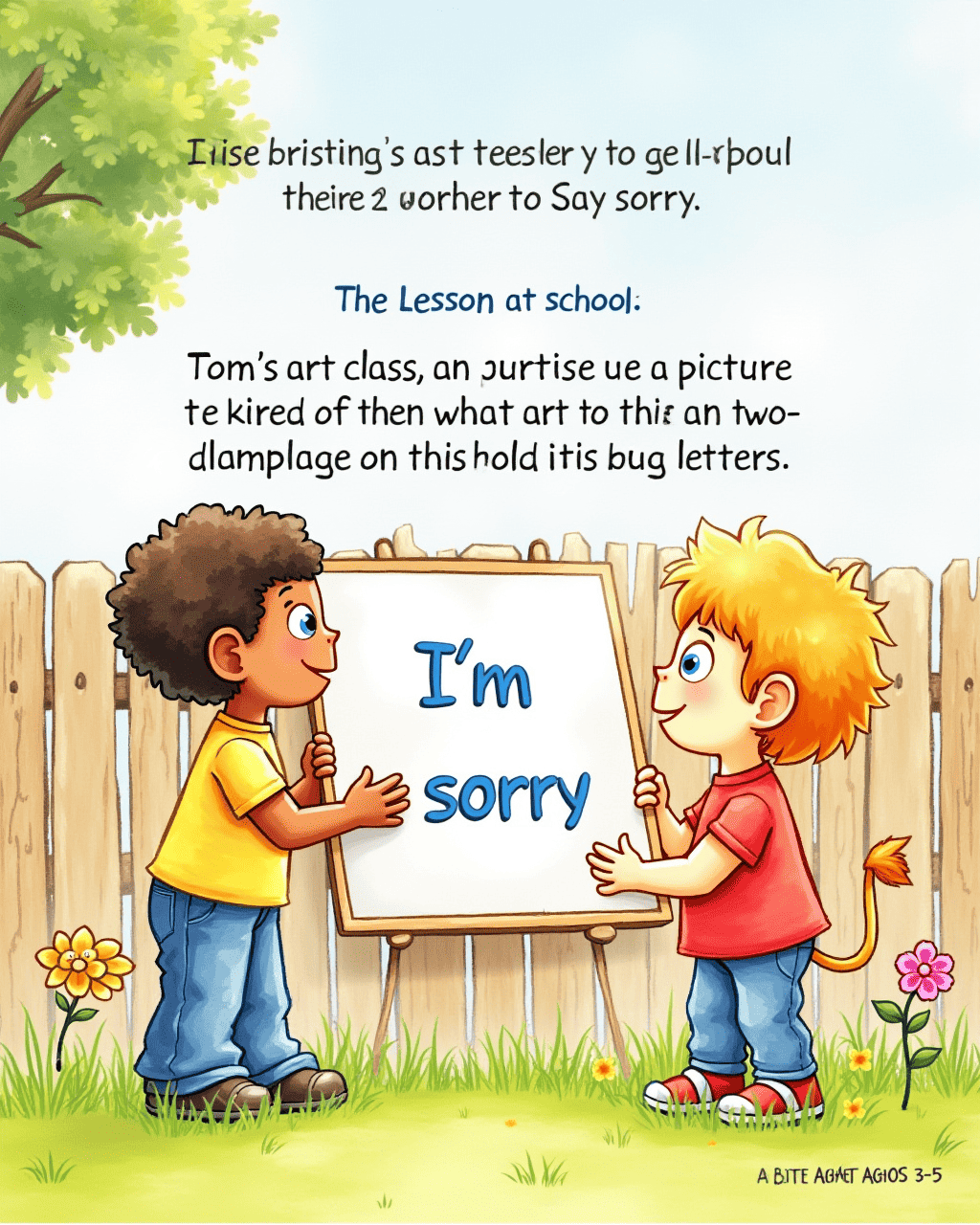
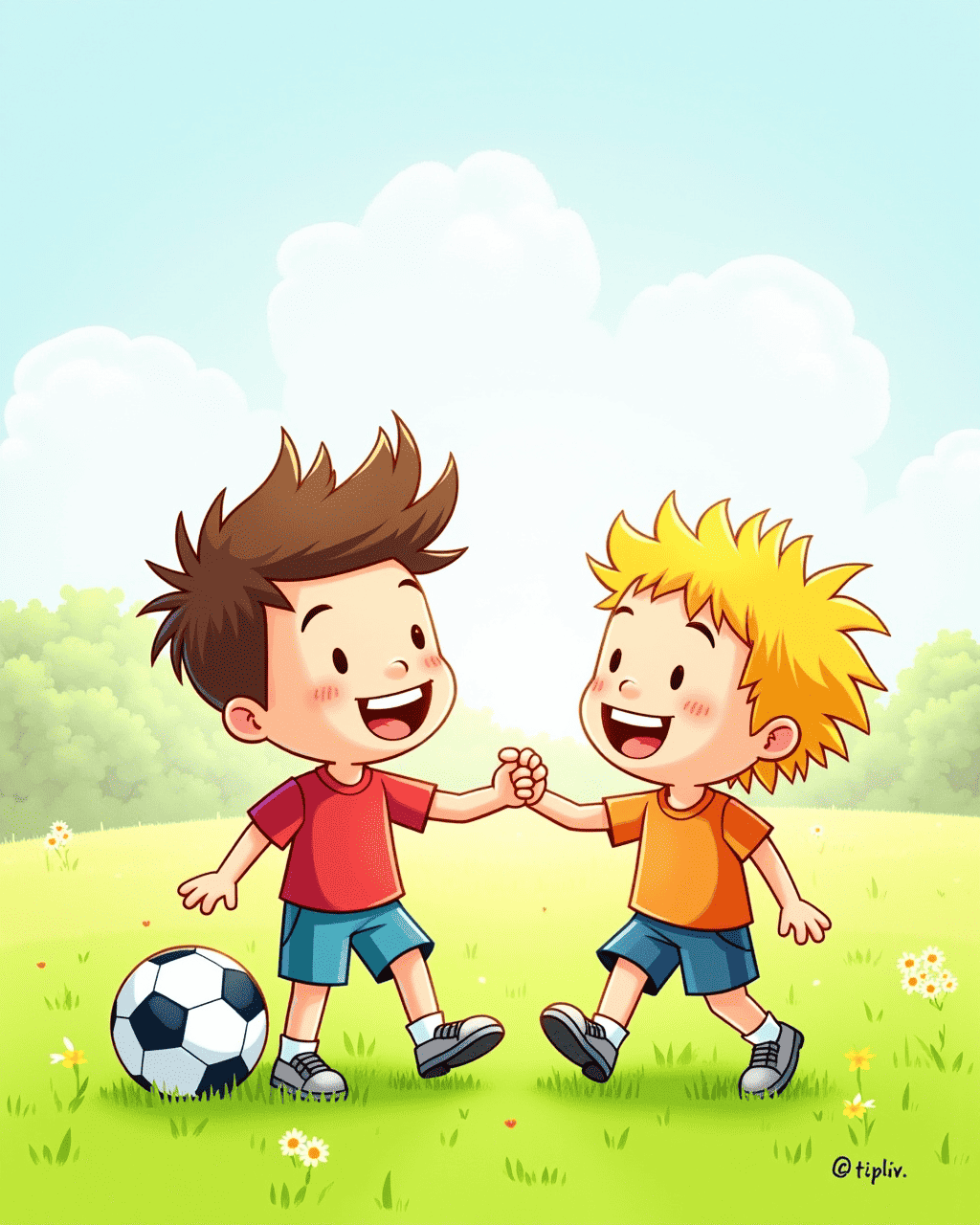
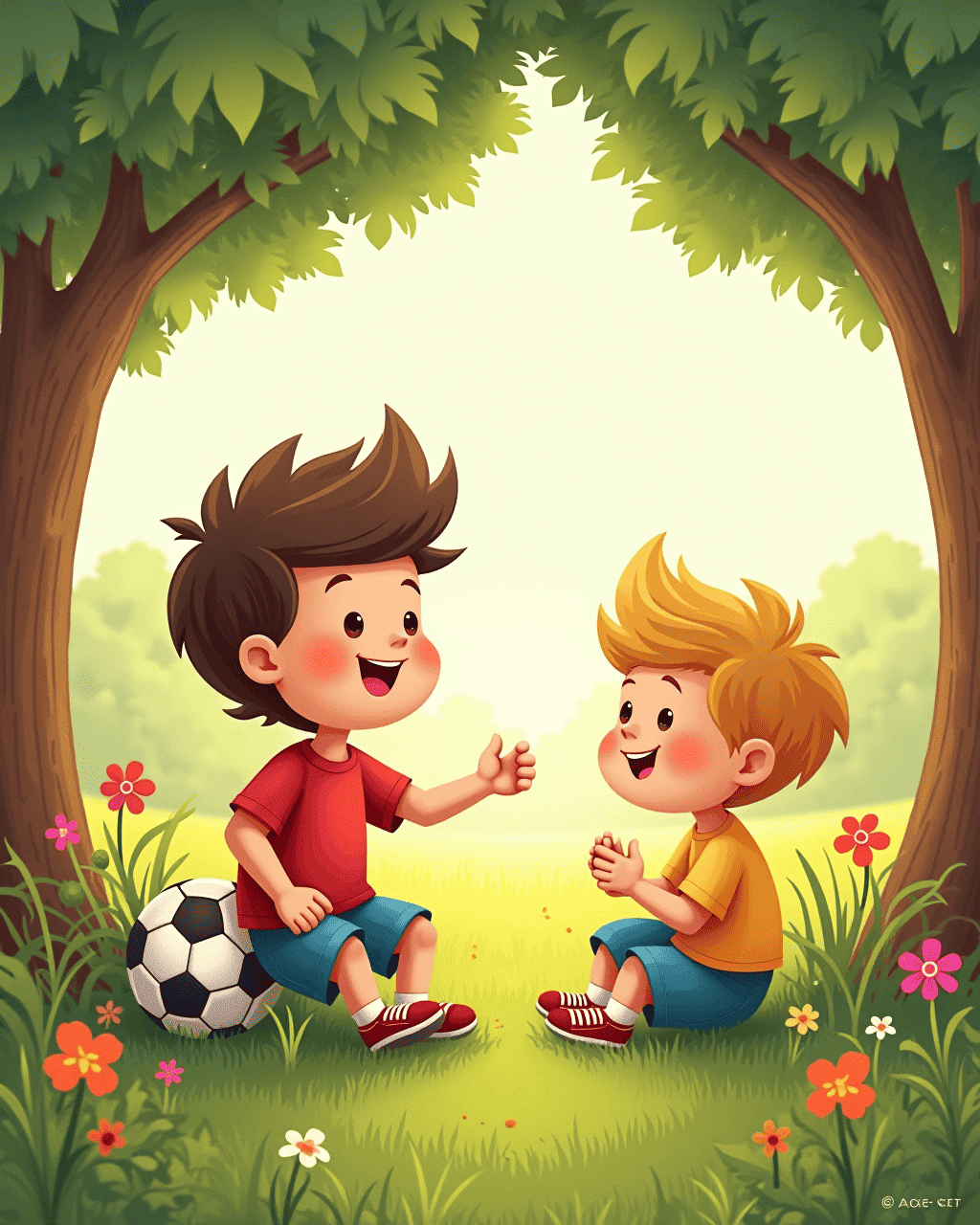
At recess, Tom found Max sitting under the oak tree. His voice was small but honest when he said, “I’m sorry for yelling.” Max looked at him for a moment, then smiled softly. “I missed you,” he said. The heavy stone in Tom’s chest rolled away, replaced by a warm, sunny feeling. They laughed and ran to play soccer again—this time, together.
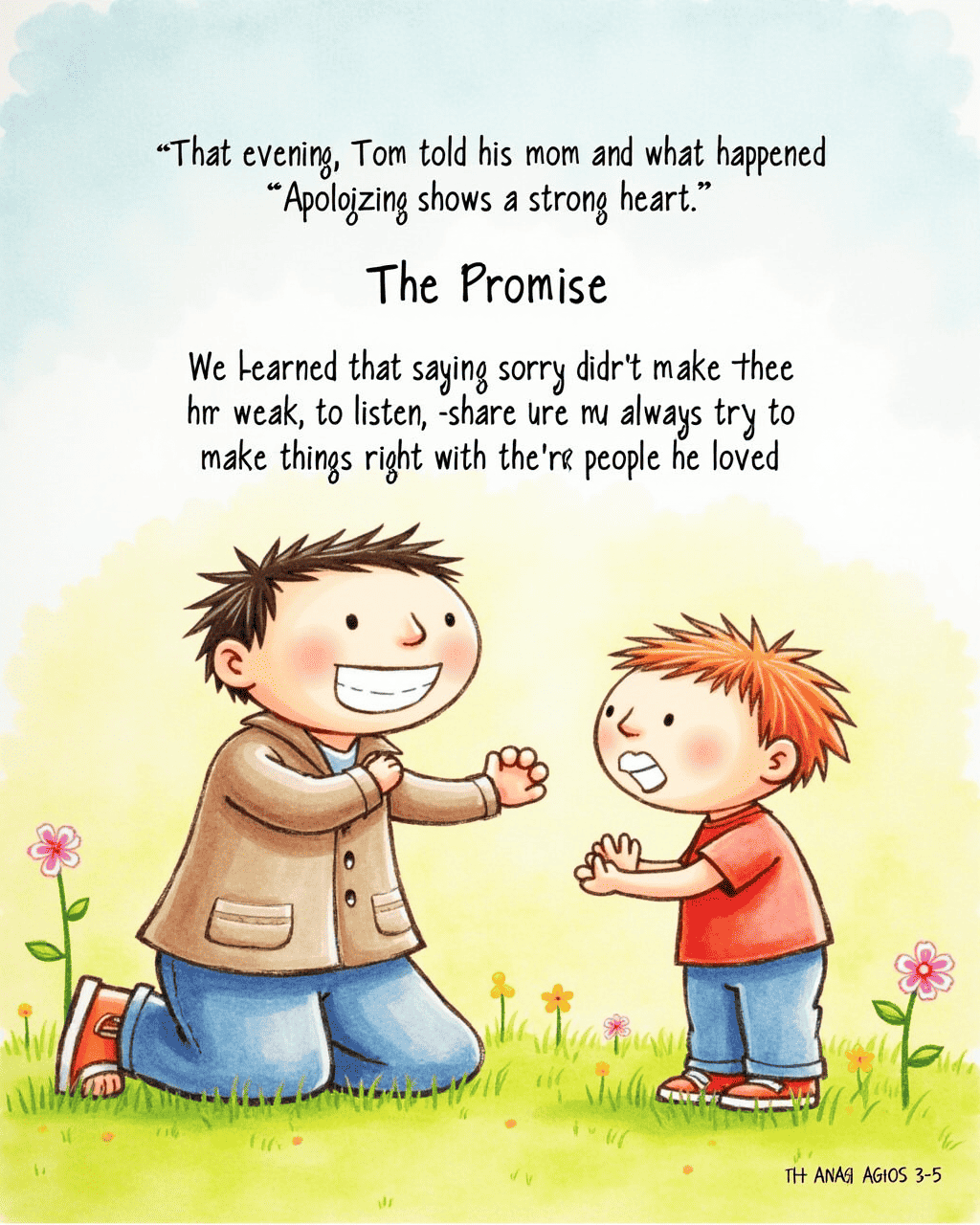
That evening, Tom told his mom about what happened. She hugged him and said, “Apologizing shows a strong heart.” Tom smiled. He learned that saying sorry didn’t make him weak—it made him whole again. From that day, he promised to listen, share, and always try to make things right with the people he loved.